Doing Nothing Is Not a Trend — It's a Takeover
Somewhere along the way, even rest got ruined.
First came the productivity gurus. Then came the wellness influencers who rebranded exhaustion as a healing journey. Then came the "lazy girl" era, which was really just a new aesthetic wrapper around the same old pressure — because if your doing-nothing looks good enough to post, you're still performing. You're still on the clock.
But something is shifting now, and it's harder to photograph. A growing number of Americans are choosing to be genuinely, boringly, completely unoccupied — not as a personality type, not as a content strategy, not as a counter-cultural flex. Just... idle. And it turns out that's a lot more radical than it sounds.
The Optimization Trap Nobody Talked About
For the better part of two decades, American culture ran on a very specific fuel: the idea that every moment was an opportunity. Every commute could be a podcast. Every lunch break could be a workout. Every Sunday could be a meal prep session, a journaling ritual, a side hustle sprint. The language of self-improvement seeped into everything — your sleep had to be optimized, your mornings had to be intentional, even your vacations needed to come home with a lesson.
The productivity-industrial complex didn't just sell planners and apps. It sold a worldview: that stillness was waste, that boredom was a problem to be solved, and that the people who were doing the most were winning at life.
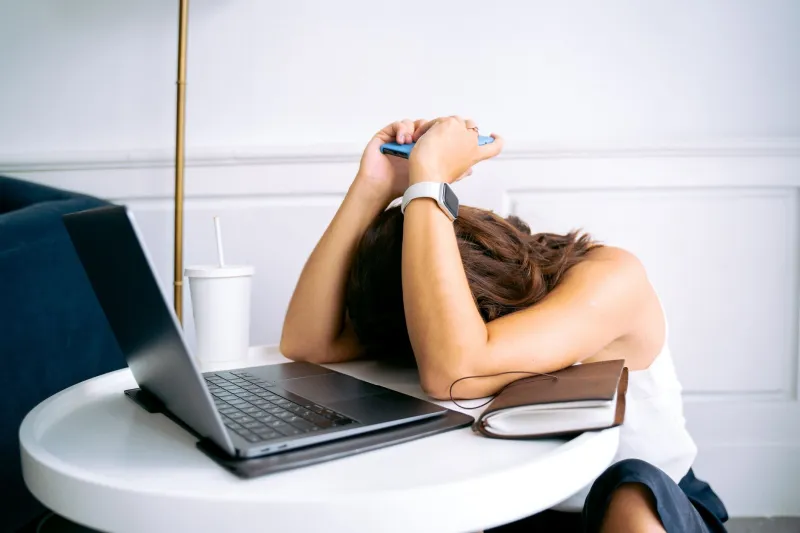
The problem is that it was exhausting. And not in the satisfying, earned-rest kind of way. In the hollow, low-grade, never-quite-off kind of way that starts to feel like the background radiation of your entire existence.
At some point, people started noticing.
When "Lazy Girl" Wasn't Lazy Enough
The "lazy girl era" was a genuine cultural moment — a collective exhale from hustle culture that resonated because it named something real. But it had a fatal flaw: it was still content. The whole thing lived on social media, which means it was still optimized, still curated, still performed for an audience. You weren't actually doing nothing. You were aestheticizing doing nothing, which is a full-time job if you think about it.
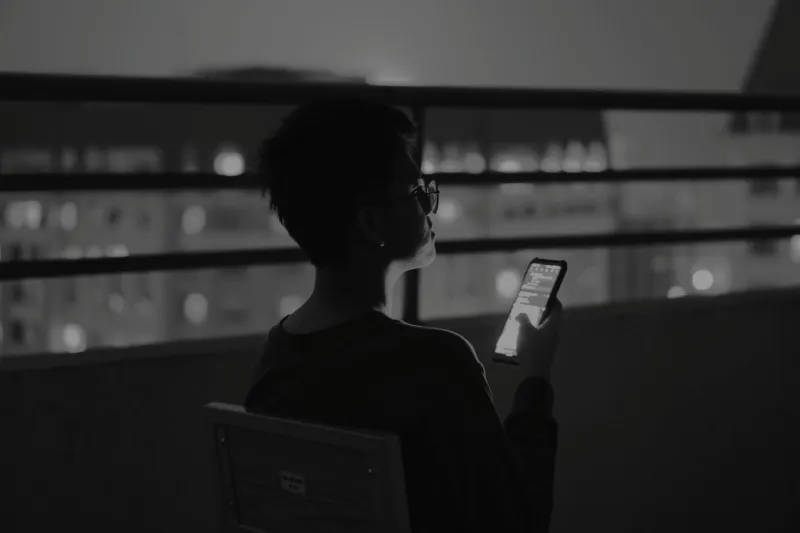
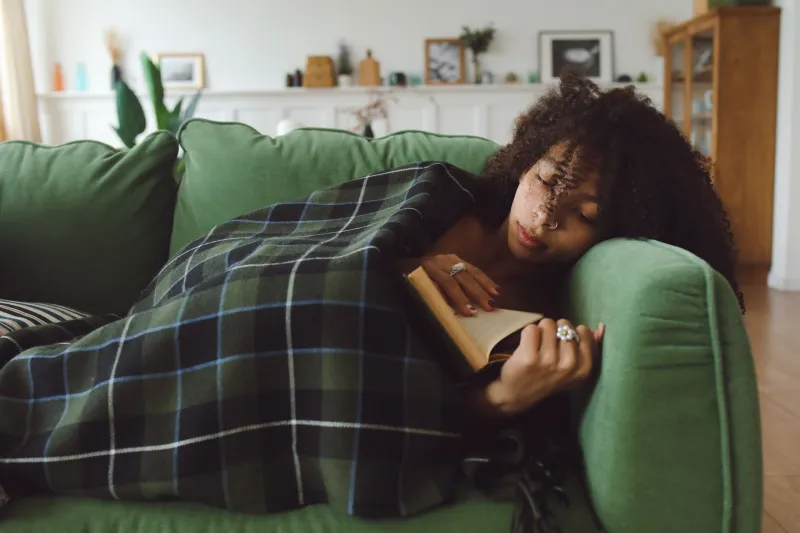
Real idleness doesn't have a ring light. It doesn't have a caption. It's sitting on your couch on a Tuesday afternoon watching the light change on the wall and not reaching for your phone. It's a long, aimless drive with no destination and no playlist — just whatever's on the radio. It's a Sunday that ends and you genuinely cannot account for where the hours went, and you feel fine about that.
That version of doing nothing — unglamorous, unposted, unremarkable — is what's actually gaining ground. And the people who are doing it aren't announcing it. That's sort of the point.
Boredom as Resistance
Here's the thing about genuine boredom that the optimization crowd never wanted you to know: it works.
Not in a productivity-adjacent, creativity-boosting, "boredom makes you more innovative" way — though researchers have found evidence of that too. It works in the simpler, harder-to-quantify sense that it makes you feel more like yourself. When you stop filling every gap with stimulation, something quieter starts to surface. You remember what you actually like. You notice things. Your mind wanders in directions that aren't algorithmically suggested.
Boredom, it turns out, is one of the last unmonetized experiences left. Nobody can sell you anything while you're staring at the ceiling. Nobody can track your engagement. Nobody benefits from your emptiness except you.
That's what makes it feel, increasingly, like a form of resistance.
The Quiet Ones Who Already Got There
Pay attention to the people in your life who seem most at ease — not the ones posting their morning routines or talking about their new system for inbox zero. Usually it's the ones who are hardest to reach on weekends. The ones who don't have a lot to report. The ones who, when you ask what they've been up to, shrug and say "not much" and genuinely mean it.
There's a certain kind of person who figured this out early, usually by accident. They didn't read a book about slow living or follow a substack about anti-hustle. They just... stopped. Maybe they burned out. Maybe they moved somewhere quieter. Maybe they just got tired of the performance and let it drop. And on the other side of that, they found something that's hard to describe but easy to recognize: a kind of low-key okayness that doesn't depend on output.
That's what the rest of us are fumbling toward.
What "Having Your Life Together" Actually Looks Like
We've had it backwards for a while. The markers of a life well-managed — the packed calendar, the side projects, the constant self-improvement arc — were never really signs of thriving. They were signs of anxiety dressed up in ambition's clothes.
Actually having your life together looks a lot quieter. It looks like not needing every hour to justify itself. It looks like being able to sit with an unstructured afternoon and not immediately convert it into something productive. It looks like the absence of a nagging feeling that you should be doing more.
That's not laziness. That's a high-functioning relationship with your own time.
And it's genuinely difficult to achieve in a culture that has spent years telling you that stillness is something to overcome. Choosing boredom on purpose — real boredom, not the curated kind — requires actively resisting a lot of deeply ingrained messaging. It requires disappointing the version of yourself that was trained to equate motion with worth.
The Part Nobody Tells You
The first few times you actually do nothing, it's uncomfortable. The phone pulls at you. Your brain cycles through the list of things you could be accomplishing. There's a low hum of guilt that takes a while to quiet down.
But if you wait it out — and this is the part that doesn't make it into the trend pieces — something on the other side of that discomfort feels remarkably like relief.
Not the relief of finishing something. The relief of not needing to.
That's the quiet takeover happening right now, under the noise of every productivity app and self-optimization podcast and aesthetic wellness account. People are putting down the performance. Not loudly. Not as a brand. Just privately, one unscheduled afternoon at a time.
And honestly? It looks like the most together they've ever been.