The Perfectly Imperfect Home: Why Your Lived-In Space Is Cooler Than You Think
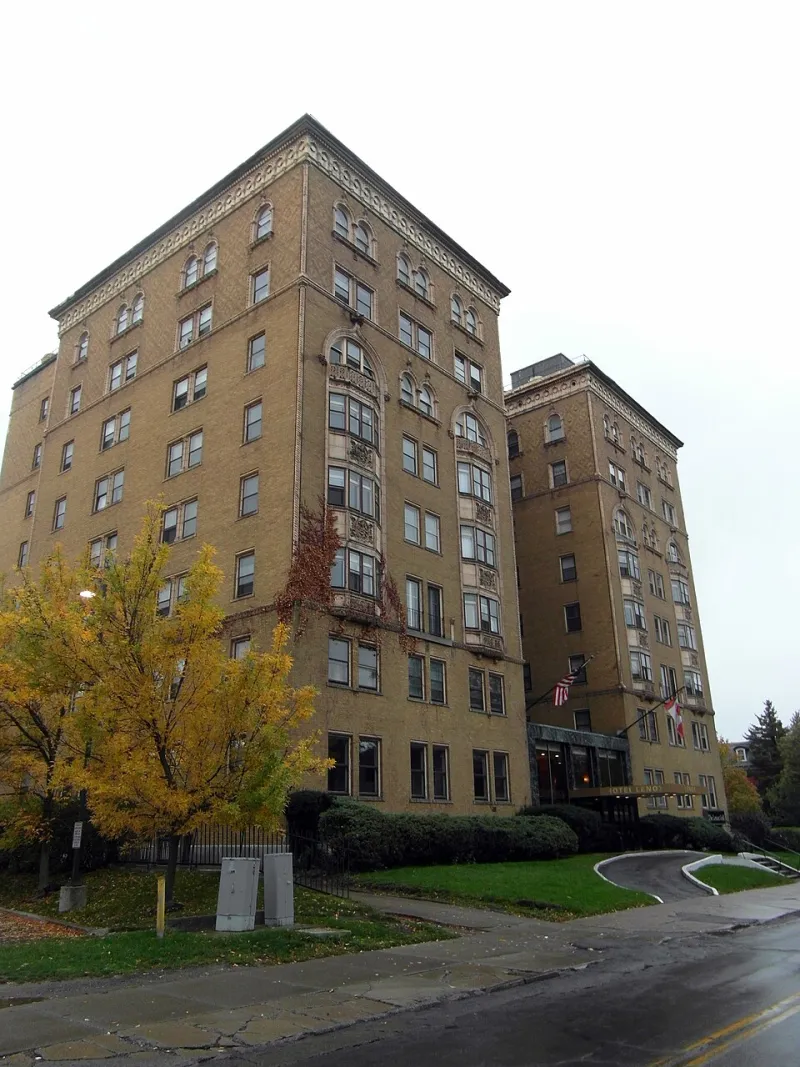
Photo: Reading Tom from Reading, UK, CC BY 2.0, via Wikimedia Commons
At some point in the last decade, home decor stopped being about where you live and started being about how your home photographs. Open any design-focused corner of Instagram or TikTok and you'll find the same visual language: neutral linen, a single sculptural vase, cookbooks arranged by spine color, a trailing pothos placed with surgical precision. It's beautiful. It's also completely, unmistakably fake.
Not fake as in staged — though it often is — but fake as in uninhabited. These spaces look like nobody has ever eaten a bowl of cereal in them, left a charger dangling off a side table, or stacked three weeks of mail next to the front door because life got busy. They look like sets. And increasingly, people are realizing that optimizing their homes for algorithmic approval has come at a weird psychological cost.
How Interior Design Became a Performance
The shift happened gradually and then all at once. Pinterest arrived and gave everyone a mood board. Instagram gave those mood boards an audience. Then came the home renovation boom of the pandemic years, when people suddenly had both the time and the desperate need to make their spaces feel better — and a very online culture ready to validate every purchase with likes.
Home goods became status goods. A specific brand of butter dish could signal taste and class in a way that felt accessible — more so than a luxury car or a designer bag. Suddenly, the "curated home" was a personality. Cottagecore. Dark academia. Japandi. Coastal grandmother. Each aesthetic was a fully packaged identity you could buy your way into, one carefully chosen object at a time.
The problem isn't that people care about their spaces. Caring about where you live is healthy and good. The problem is what happens when the performance of caring replaces the actual living. When you hesitate to put a mug down on your coffee table because it'll ruin the vignette. When you feel a low-grade anxiety about a guest seeing your junk drawer. When your home becomes a source of stress instead of rest.
What Designers Are Actually Saying
Here's the thing: a lot of the people whose job it is to make homes look good are pretty vocal about this tension. There's a growing contingent of interior designers — particularly those working with real clients in real homes, not editorial shoots — who are actively pushing back against the tyranny of the curated aesthetic.
The concept has a few names. "Imperfect living." "Wabi-sabi interiors" (borrowed from the Japanese philosophy of finding beauty in impermanence and imperfection). "Anti-staging." Whatever you call it, the core idea is the same: a home should reflect the person who lives in it, not a trend cycle.
That means the vintage lamp that doesn't match anything but was your grandmother's. The gallery wall where the frames are slightly mismatched because you added to it over seven years. The kitchen shelf where the cookbooks are organized by how often you actually use them, not by color. These aren't design failures. In many ways, they're more interesting than a room that looks like it was assembled in an afternoon from a single retailer's catalog.
There's a reason that when people describe their favorite spaces — a beloved local bar, a friend's apartment they always want to hang out in, a family home they feel comfortable in — the word "cozy" comes up constantly. And cozy, almost by definition, requires some imperfection. It requires the sense that time has passed here, that people have gathered, that things have been used.
The Psychology Behind the Mess
There's actual research backing this up, and it's more interesting than you'd expect. Studies on environmental psychology have consistently found that people report feeling more creative and more relaxed in spaces that have some visual complexity — what researchers sometimes call "organized chaos" — compared to spaces that are rigidly minimalist.
A 2019 study out of the University of Minnesota found that people in messier environments generated more creative ideas than those in tidy ones. Another line of research suggests that overly sterile, perfect environments can actually trigger a low-level stress response — your brain reads them as spaces where normal human activity isn't welcome.
This doesn't mean the answer is just... never cleaning anything. But it does suggest that the relentless pursuit of the magazine-perfect home might be working against the actual purpose of a home, which is to be a place where you decompress, feel safe, and are fully yourself.
The Real Flex: Rooms That Tell Your Story
There's a reason that when you walk into someone's home and immediately learn something about them — from the books on their shelf, the art on their walls, the objects that don't quite fit any one aesthetic — it feels more interesting than walking into a space that could belong to anyone.
Personality in a home is built through accumulation. The weird thrift store find you couldn't leave behind. The photo from a road trip stuck in the corner of a mirror. The coffee table that's slightly too big for the room but you love it anyway. None of this photographs cleanly. All of it makes a space feel real.
Some of the most celebrated homes in American design history — think of the maximalist, layered rooms that defined mid-century creative households — were gloriously un-curated by today's standards. They were full of contradiction and personality and stuff. They looked like people actually lived there, because people actually did.
Letting Your Home Off the Hook
If you've been quietly embarrassed by the gap between your actual apartment and the ones you see online, here's a reframe worth sitting with: the gap isn't a sign that you've failed at home decor. It's a sign that you have a life.
The stack of books on your nightstand means you read. The extra chairs you pull out for dinner parties mean people come over. The slightly dented couch cushion means you've spent real time there, resting, watching things, being a person.
Your home doesn't need to be ready for its close-up. It needs to be ready for you — for the ordinary Tuesday nights and the long weekend mornings and the occasional chaotic gathering where nothing is in its right place and everyone has a great time anyway.
That's not a design failure. That's the whole point.