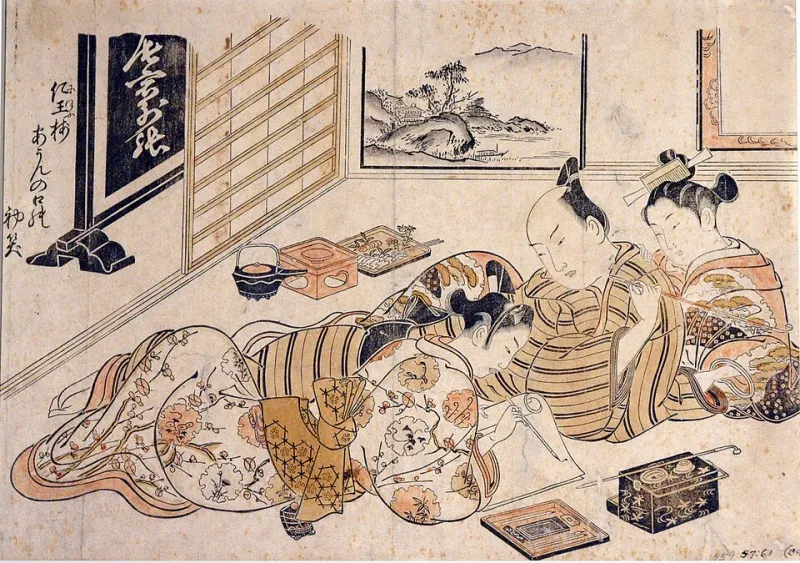
Too Many Shows, Zero Decisions: How Streaming Broke the Simple Act of Watching TV
Photo: Erik Pevernagie, CC BY-SA 3.0, via Wikimedia Commons
Remember when Friday night meant flipping through maybe forty channels, landing on something decent, and just... watching it? Nobody called that a golden age at the time. But compared to the average Tuesday night in 2025 — thirty minutes of scrolling Netflix, abandoning it for Max, half-reading Letterboxd reviews, and ultimately rewatching The Office for the sixth time — it sounds pretty appealing.
This is the paradox nobody warned us about when streaming took over: more content hasn't made entertainment more enjoyable. For a lot of people, it's made it quietly exhausting.
The Supermarket Problem, But Make It TV
Back in 2000, psychologist Barry Schwartz ran a now-famous experiment involving jam. A grocery store set up two tasting tables — one with six jams, one with twenty-four. More people stopped at the bigger display. But here's the twist: people who sampled from the smaller selection were ten times more likely to actually buy something.
Schwartz called it the paradox of choice. When options multiply past a certain threshold, our ability to commit collapses. We second-guess. We wonder if something better exists just one more scroll away. And eventually, we freeze entirely.
Streaming libraries are essentially that twenty-four-jam table, except the table is infinite and refreshes every week with new jams you're contractually obligated to feel behind on.
The average American household now subscribes to four or more streaming services. That's tens of thousands of titles available at any given moment. And yet survey after survey shows that people report feeling less satisfied with their viewing choices, not more. Decision fatigue — the mental exhaustion that comes from making too many choices — doesn't just hit you at work or at the grocery store. It follows you to your couch.
Why Your Brain Hates the Endless Scroll
Here's what's actually happening when you spend twenty minutes hunting for something to watch and feel vaguely stressed about it: your brain is treating every thumbnail like a small decision. Each swipe is a micro-evaluation — Is this worth my time? Will I enjoy this? What if I pick wrong?
That last question is more loaded than it sounds. When you only had forty channels, a bad pick cost you maybe ten minutes before you changed it. Low stakes. But now, with prestige TV dramas demanding eight to twelve hours of investment, a "wrong" choice feels genuinely costly. You're not just picking a show. You're allocating a significant chunk of your leisure time, which — if you're a working adult with a packed schedule — already feels scarce and precious.
The result is what some researchers call "anticipatory regret" — the fear of making the wrong choice before you've even made it. It's why you'll read three different reviews of a movie, check its Rotten Tomatoes score, scan Reddit for spoiler-free opinions, and then still not start it because what if it's slow in the first episode?
Streaming platforms, for their part, aren't exactly helping. Their recommendation algorithms are designed to keep you browsing, not necessarily watching. Autoplay trailers, endless rows of categories, "because you watched" spirals — all of it is engineered to hold your attention in the interface, which is a different thing entirely from helping you settle into a good story.
The Nostalgia Loop (And Why It Makes Total Sense)
This explains something that baffles a lot of people: why, with thousands of new titles available, so many of us default to rewatching shows we've already seen. Comfort rewatches — Friends, Parks and Rec, Breaking Bad, Schitt's Creek — have become a genuine cultural phenomenon.
And honestly? It's not laziness or lack of imagination. It's a rational response to choice overload. A rewatch eliminates uncertainty. You already know you like it. You know what you're getting. The decision cost drops to near zero, and suddenly watching TV feels like the relaxing activity it was always supposed to be.
There's also something to be said for the communal aspect that streaming's on-demand model has fractured. When everyone watched the same three networks, pop culture had shared touchstones. Now, content is so fragmented that recommending a show to a friend often requires a ten-minute conversation about which services they subscribe to. The water cooler moment is dead. And that loss is more culturally significant than we give it credit for.
So How Do You Actually Fix Your Couch Time?
The good news: this is a solvable problem, and you don't need to cancel all your subscriptions to solve it.
Set a two-minute rule. Give yourself exactly two minutes to pick something. If you haven't committed by then, you go with whatever's at the top of your queue or whatever a trusted friend last recommended. No more research. Done.
Treat recommendations like currency. Instead of consulting algorithms, ask one person whose taste you trust what they've watched recently. One recommendation from a real human beats a hundred algorithmic suggestions every time.
Embrace the scheduled watch. Pick one show per week that you watch on a specific night, episode by episode. It sounds old-fashioned because it basically is — but it recreates the appointment-viewing rhythm that used to make TV feel like an event rather than a chore.
Let bad picks be fine. Not every watch has to be a masterpiece. Sometimes you watch a mediocre thriller on a Wednesday night and that's genuinely okay. Releasing the pressure to optimize every viewing choice is, paradoxically, what makes watching TV feel good again.
The Real Flex Is Watching Less Deliberately
There's a certain cultural pressure right now to be across everything — to have seen the show everyone's talking about, to have opinions on the latest limited series, to be culturally current. It's exhausting, and it's turned what should be leisure into something that feels vaguely like homework.
The quiet rebellion? Watching less, but actually enjoying what you watch. Picking something imperfect and committing to it. Letting the scroll sit unopened for a night.
Streaming was supposed to give us freedom. Somewhere along the way, it handed us a second job instead. Taking that freedom back might just mean making peace with good enough — and pressing play before you talk yourself out of it.