Supper Clubs, Saunas, and Speed-Friending: The Genuinely Strange Ways Adults Are Finding Their People
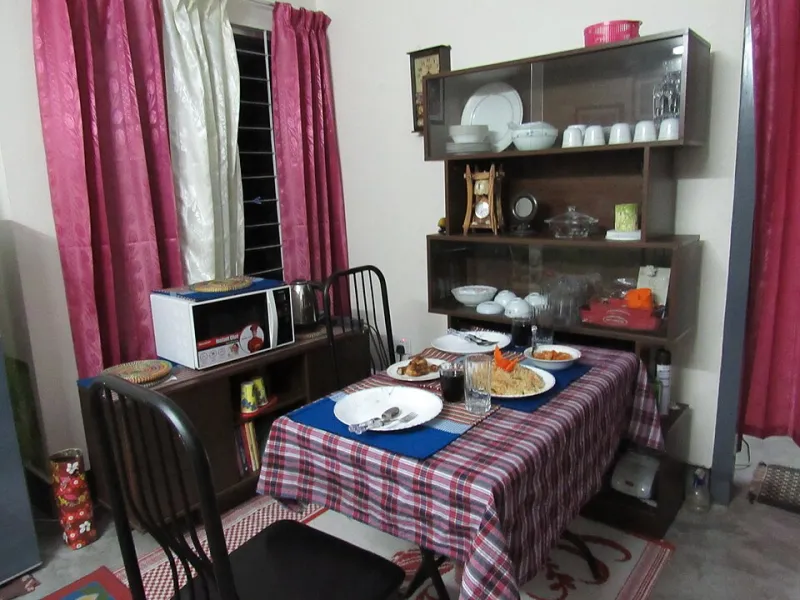
Photo: Afifa Afrin, CC BY-SA 4.0, via Wikimedia Commons
Nobody warns you that friendship has an expiration date tied to your diploma. School handed you a rotating cast of potential friends for free. Adulthood hands you a job, a lease, and a vague suggestion to "join a group."
Well, people have been joining groups. Just not the ones anyone expected. Across the country, adults are engineering friendship through formats that sound like a joke and work like a charm. Here are the ones actually delivering.
1. Supper Clubs for Strangers
The format: a long table, a fixed menu, eight to twelve people who have never met. Sometimes it's at a chef's home, sometimes a restaurant's back room, sometimes a member-run operation like The Salon or one of the hundreds of local dinner-club Instagram accounts.
Why it works: shared food is humanity's oldest bonding technology, and the fixed seating means no escaping into your phone. Everyone's a little nervous, which levels the playing field.
How to find one: search "supper club" plus your city on Instagram or Eventbrite. Or start one — reserve the communal table at a restaurant you like and invite six acquaintances who don't know each other. That's it.
2. Silent Book Clubs
The pitch sounds absurd: people gather at a bar or café, read their own books in silence for an hour, then optionally chat. No assigned reading. No homework. Chapters exist in every state.
Why it works: introverts get companionship without performance. The silence removes the pressure, and conversation that happens afterward is voluntary, which makes it honest. It's parallel play for grown-ups.
How to find one: silentbook.club has a chapter directory. Or post up at your local coffee shop with a sign-up sheet and a start time. People will come.
3. Communal Saunas and Cold Plunges
Bathhouse culture is having a moment — places like Williamsburg's Bathhouse, Chicago's King Spa, and a wave of Nordic-style sauna socials in cities from Portland to Austin. Some run organized "sauna socials" with rotating seats.
Why it works: everyone's half-dressed, slightly uncomfortable, and stripped of status symbols. Heat makes people talkative. There's nowhere to be but there.
How to find one: check if your city's bathhouse or climbing gym runs social hours. Fair warning: the first conversation will be about water temperature. That's fine. It's a start.
4. Friendship Speed Dating
Yes, it's real, and no, it's not dating. Events like those run by groups such as Rotaspring or local "friend matchmaking" nights pair people for short, structured conversations explicitly about platonic connection.
Why it works: it removes the ambiguity that kills adult friendship. You both know you're there to make friends, so the awkward "are we hanging out or...?" phase is deleted. Structure plus honesty is a potent combo.
How to find one: search "friendship speed dating" plus your city, or look at listings on Eventbrite and Meetup. College towns and big metros have the most options.
5. Co-Working Co-ops (the Non-Corporate Kind)
Not the WeWork kind — the indie kind, where freelancers rent a shared desk and actually know each other's names. Many run weekly lunches or Friday happy hours.
Why it works: proximity plus repetition, the two ingredients loneliness research keeps pointing to. You don't have to schedule friendship; it accumulates in the gaps.
How to find one: look for locally owned co-ops rather than chains, and ask if they have community events. If you're remote, even two days a week in one builds real relationships.
6. Run Clubs (the Slow Ones)
Yes, run clubs are everywhere. But the underrated move is the casual-paced or run/walk group — the ones where the point is conversation, not pace. Look for "social run" or "party pace" groups.
Why it works: side-by-side conversation is easier than face-to-face, especially for men. Moving together lowers the stakes of talking.
How to find one: most local running stores host weekly group runs. Show up once. That's genuinely the whole barrier.
7. Volunteering With a Regular Schedule
Unsexy, undefeated. The key is recurrence — a weekly shelter shift or monthly build day, not a one-off 5K.
Why it works: shared purpose is the fastest bonding agent there is, and you already know you value the same thing.
How to find one: VolunteerMatch or your city's civic center. Pick something recurring and commit for three months before judging it.
The Common Thread
Notice the pattern: every one of these formats does the two things adults can't seem to do on their own — create repetition and remove ambiguity. They guarantee you'll see the same people again, and they make it explicit that friendship is the point.
That's not cheating. That's just admitting what school always knew: friendship doesn't happen by accident. It happens by structure. Pick one, show up three times, and see who's still there. That's usually how it starts.